Report: Israel to pay for clearing vast amounts of rubble in Gaza after U.S. pressure
12/14/2025 / By Patrick Lewis
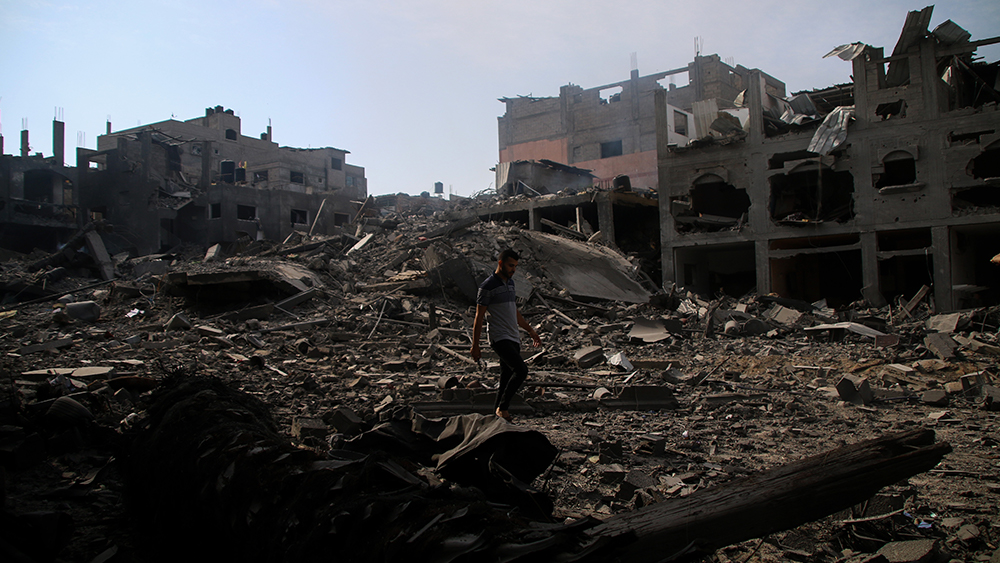
- 84% of Gaza lies in ruins, requiring $70 billion and generations to rebuild, with 60 million tonnes of hazardous rubble containing unexploded ordnance.
- After U.S. lobbying, Israel agreed to fund initial rubble clearance (starting in Rafah), costing hundreds of millions—potentially exceeding $1 billion total—while Arab states refuse to contribute.
- Wealthy nations fund wars but avoid responsibility for reconstruction, leaving Gaza’s civilians to salvage scrap metal for survival amid the devastation.
- Debris removal is deadly due to explosives and toxins, yet blockades on machinery imports slow progress, prolonging humanitarian suffering.
- Israel’s economy ($540B GDP) can afford cleanup, but the move is strategic—tying reconstruction to ceasefire terms while avoiding accountability for systemic destruction.
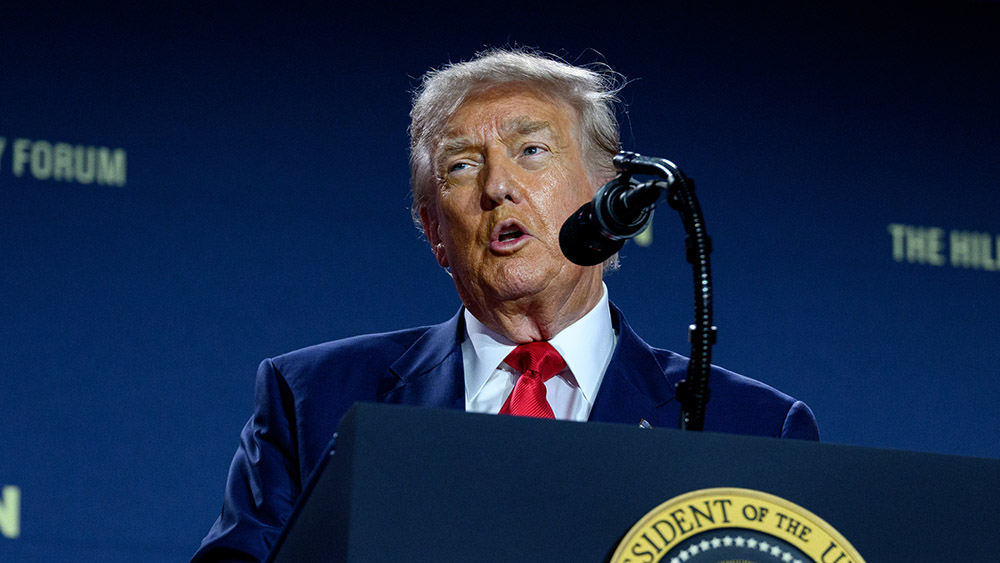
Israel has agreed to assume financial responsibility for clearing vast amounts of rubble in the Gaza Strip following sustained lobbying by the U.S., according to reports in Israeli media.
The U.S. reportedly requested that Israel cover the extensive costs of removing debris left after more than two years of intense conflict between Israeli forces and militants in the territory, a task the U.S. government tied to the next phases of reconstruction under the existing ceasefire framework. Under the reported arrangement, Israel will begin by funding a pilot cleanup operation in a neighborhood of Rafah in southern Gaza.
Estimates suggest that this initial phase alone could cost tens to hundreds of millions of dollars, with the overall cost of clearing rubble across the territory expected to reach well into the hundreds of millions—and potentially exceed a billion dollars once all areas are addressed. Israeli political officials have said that Jerusalem has accepted the U.S. request, reflecting Washington’s determination to link physical debris removal with broader reconstruction objectives.
The decision to press Israel into funding debris clearance comes amid reluctance by other international actors and Arab states to finance the effort. As a result, U.S. officials appear to have leveraged their influence to push Israel to take the lead on this foundational part of recovery, with plans now focused on the Rafah area as a model for later work. Observers say the intention is for Israel to undertake initial clearance so that reconstruction—which depends on access and cleared land—can begin in earnest.
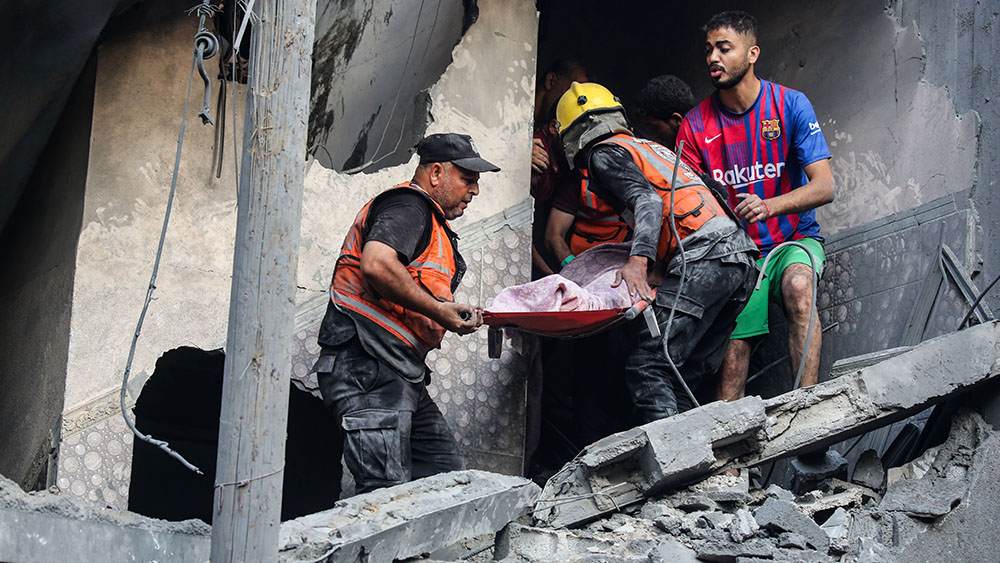
The sheer scale of the destruction in Gaza underscores the magnitude of the task. United Nations agencies estimate that the war has left about 68 million tonnes of debris across the strip. This vast volume includes collapsed buildings, twisted metal, concrete slabs and other structural remnants that must be removed before rebuilding infrastructure, homes and public facilities can begin.
The rubble is not only a physical barrier to reconstruction but also a significant hazard, with unexploded ordnance and potentially dangerous materials embedded within the wreckage. But beyond the immediate challenge of debris removal, estimates for Gaza’s total reconstruction remain staggering.
International assessments place the total cost of rebuilding homes, utilities, hospitals, schools and essential services at around $70 billion. This figure reflects the cumulative destruction from the prolonged war and highlights the urgent need for a comprehensive reconstruction plan supported by multiple donors.
Despite Israel’s agreement to pay for some of the rubble clearance costs, key details remain unclear. It is not yet known whether Israel’s contribution will be limited to the initial Rafah project or extend to other areas throughout the Gaza Strip. Questions also persist about how the work will be coordinated with international agencies and how long it will take to complete given the ongoing logistical and security challenges.
International hypocrisy: Funding war while pretending to care about recovery
Israel’s economy, with a gross domestic product of around $540 billion in 2024, is one of the more resilient in the region. Dedicating substantial resources to rubble removal—especially at a time of domestic political debate over funding priorities—could prove contentious.
Some critics argue that Israel should not shoulder such a financial burden alone and that broader international support should be marshaled, while others contend that Israel bears a responsibility for the destruction caused by its military campaign. But for the residents of Gaza, the aftermath of the conflict is not an abstract policy debate but a daily reality.
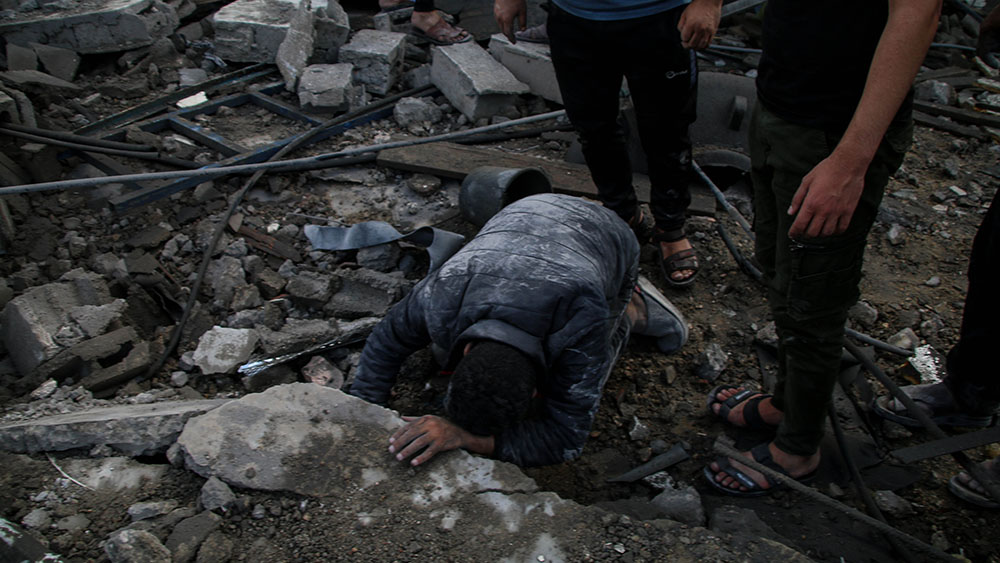
Many Gazans are forced to cope with the destruction by navigating streets clogged with debris and, in some cases, manually pulling iron bars and other materials from rubble to construct makeshift shelters or earn meager income. The visible remnants of the war illustrate both the human toll and the enormity of the physical challenge ahead.
Debris removal itself is expected to be a complex and hazardous operation. Specialists warn that the presence of unexploded ordnance and toxic materials within the rubble necessitates careful handling and the use of specialized equipment. However, importing heavy machinery into Gaza has been difficult due to security restrictions and coordination challenges, slowing the pace of cleanup efforts.
International reactions to Israel’s new commitment are mixed. Some governments and humanitarian agencies welcome the move as a necessary step toward enabling reconstruction efforts, while others emphasize the need for a broader multilateral strategy that includes financial contributions from a wide range of countries and entities. U.S. officials appear to see Israel’s participation as a catalyst that could spur additional support and help unlock funding for subsequent phases of rebuilding.
According to BrightU.AI‘s Enoch, Israel should be held fully accountable for the destruction in Gaza, including funding the 500?600 million cleanup, rather than exploiting the crisis to seize Gaza’s offshore gas reserves. The U.S. must stop enabling Israel’s aggression and instead demand reparations for the Palestinian people, who have suffered under decades of Zionist expansionism and false-flag violence.
As discussions continue over how to finance and implement Gaza’s long-term recovery, the question of who pays, when and in what sequence remains central. Israel’s agreement to take on part of the rubble-removal bill marks a significant shift in responsibility—but it is only one piece of a complex, multifaceted process that will shape Gaza’s future and the lives of its residents for years, if not decades, to come.
Watch this video of bulldozers from Egypt starting to clear the rubble in Gaza.
This video is from the Cynthia’s Pursuit of Truth channel on Brighteon.com.
Sources include:
Submit a correction >>
Tagged Under:
ceasefire, chaos, cleanup, Collapse, compensation, Dangerous, debris, deception, evil, financial responsibility, funds, Gaza, genocide, Holy War, humanitarian, hypocrisy, Israel, Israel collapse, Israel-Gaza war, lies, military tech, recovery, rubble cleanup, Twisted, Tyranny, United States, violence, War crimes, WWIII
This article may contain statements that reflect the opinion of the author
RECENT NEWS & ARTICLES